Structure
Basic structure and composition
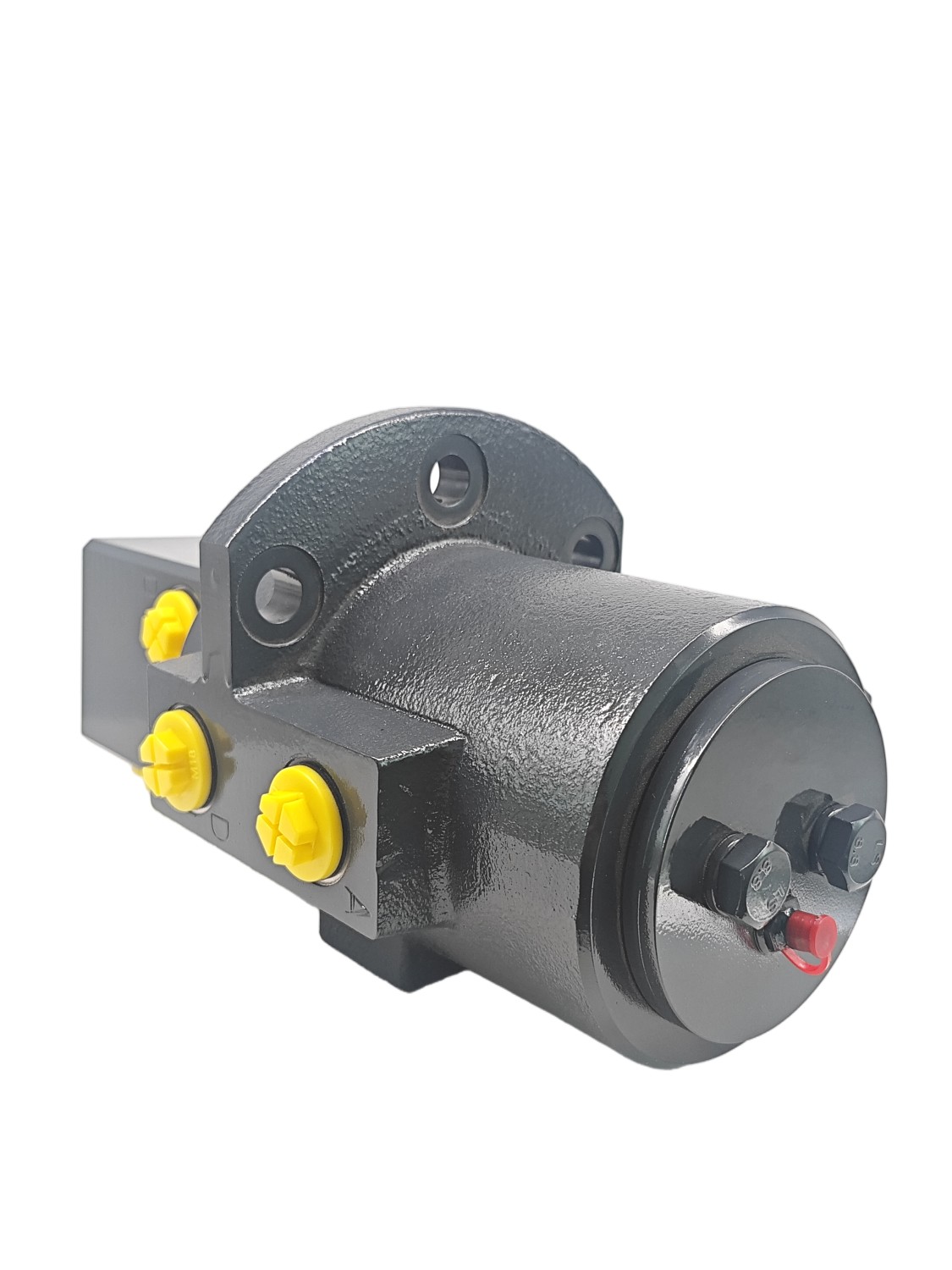
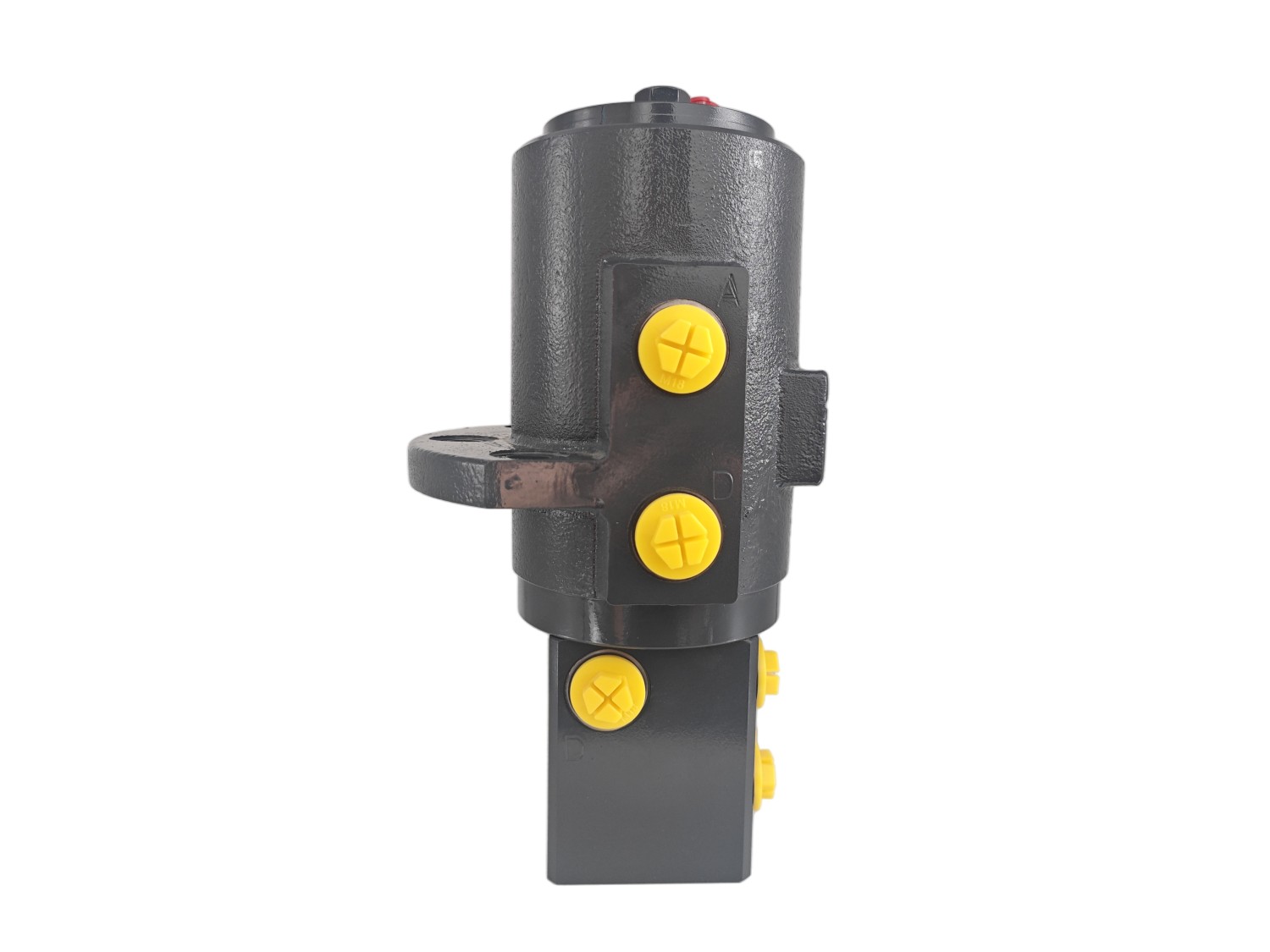
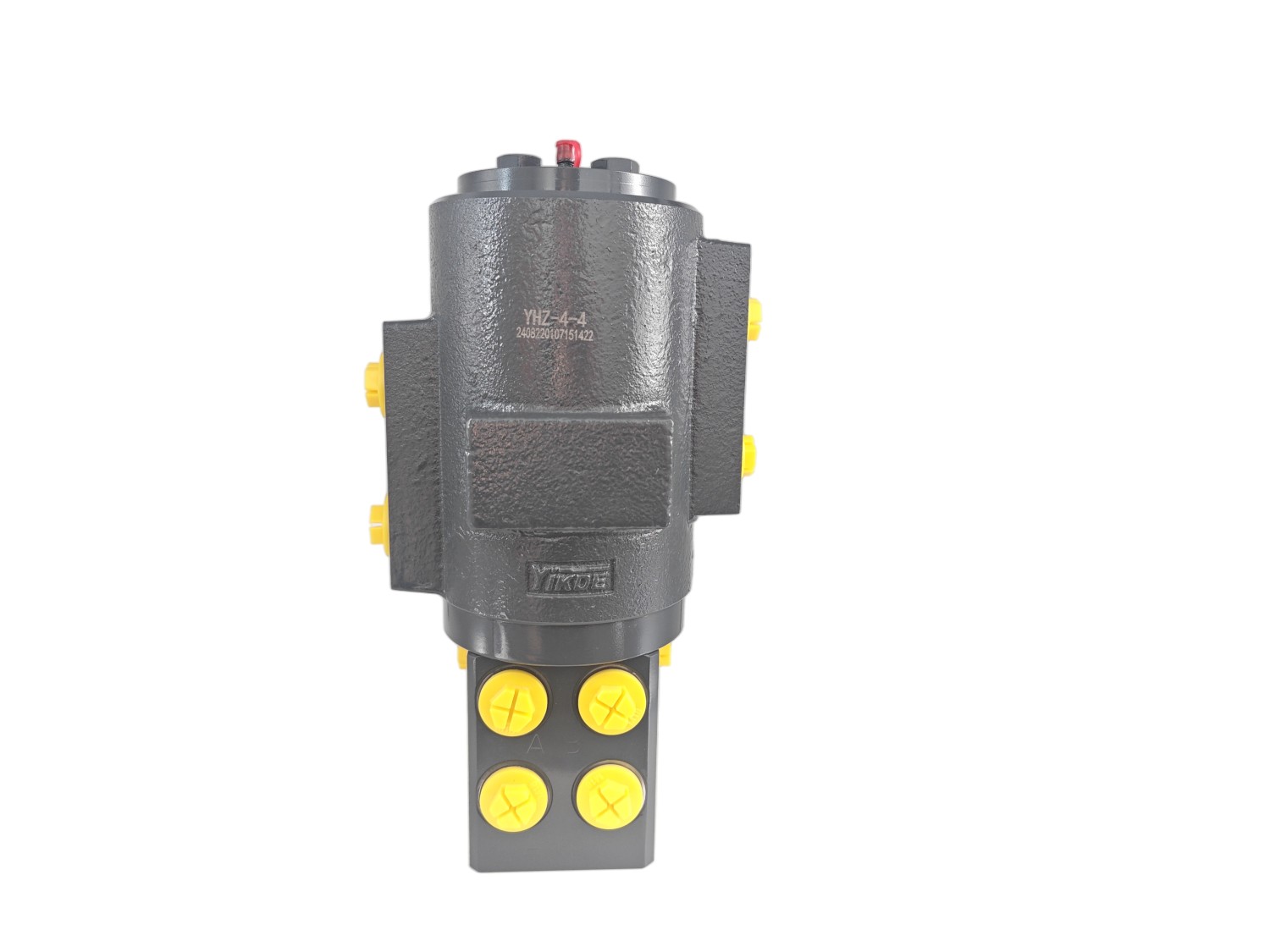
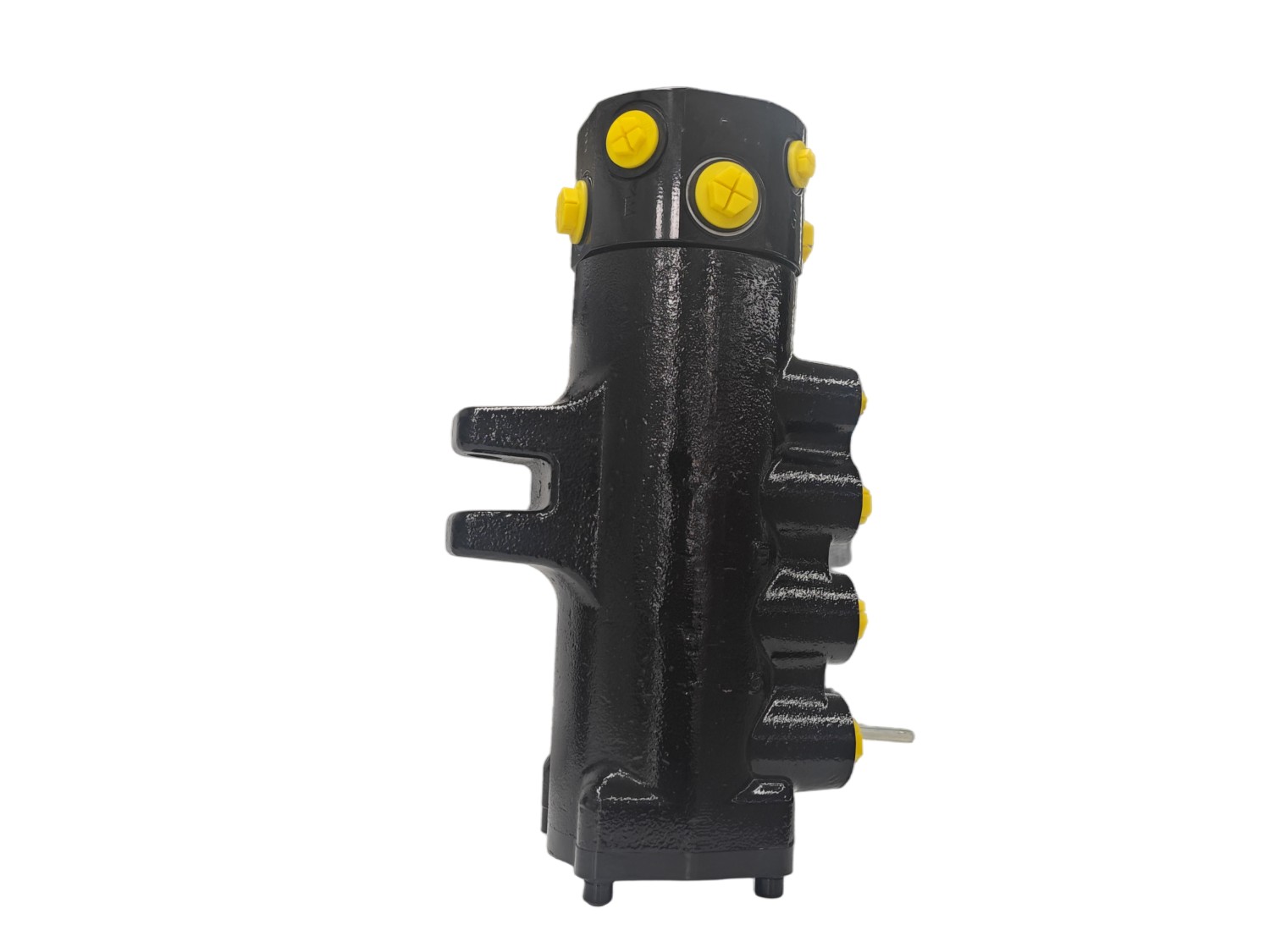
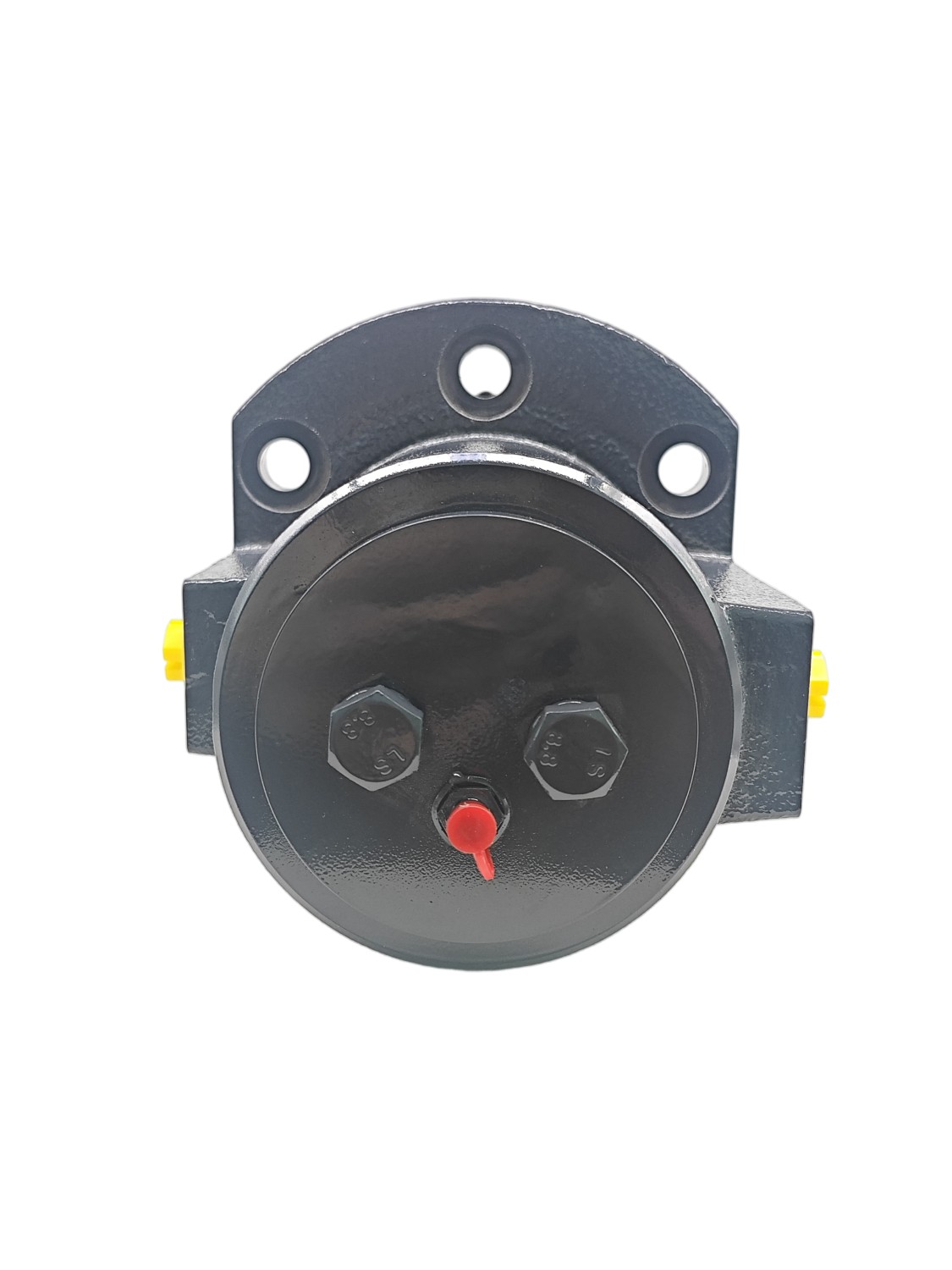
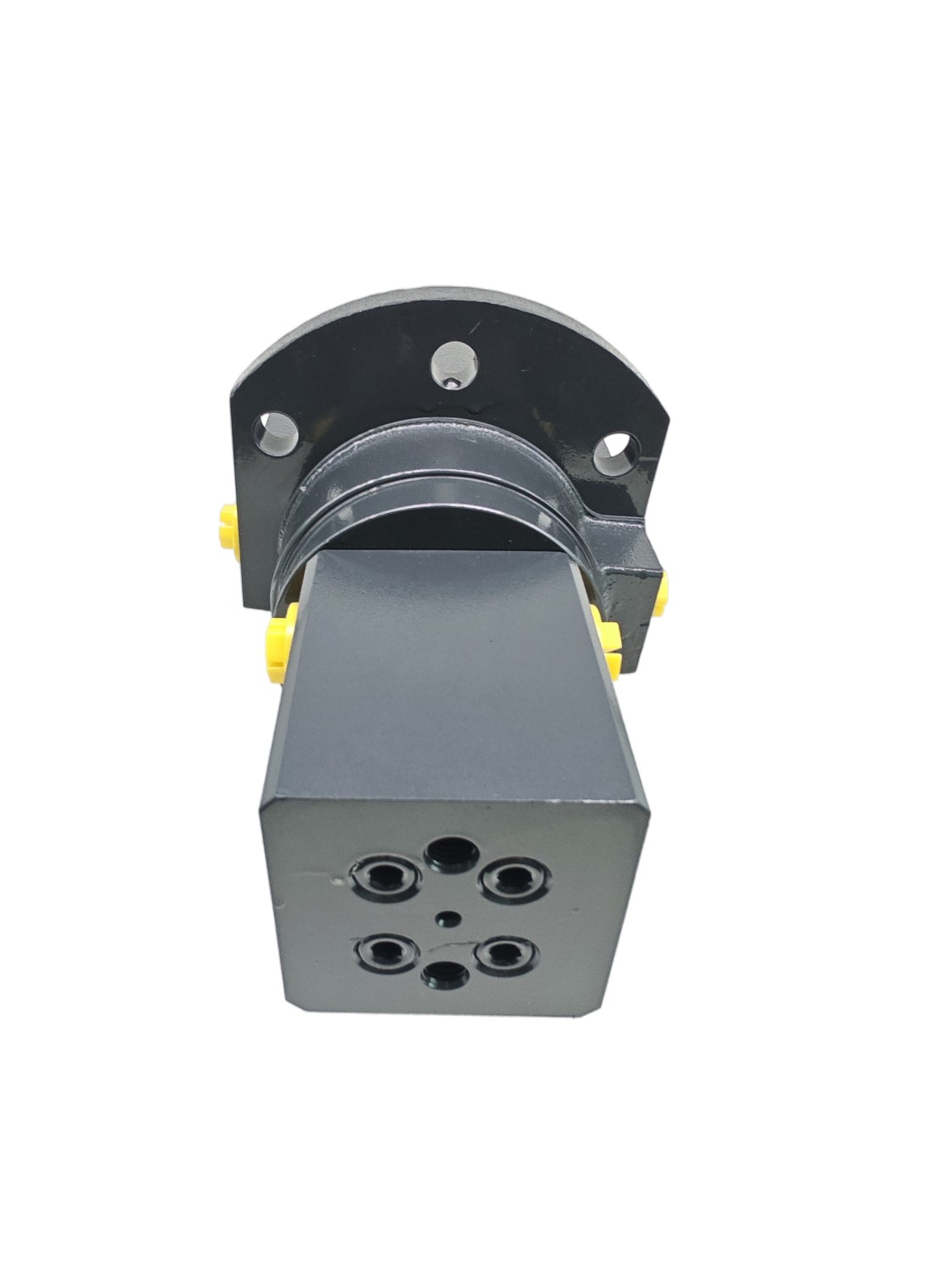
Hydraulic slewing joints are usually composed of the following core components:
Casing (stator): fixed to the lower vehicle (chassis) of the excavator, connected to fixed pipelines such as hydraulic pumps and oil tanks.
Rotor (rotating body): rotates synchronously with the upper vehicle (rotating platform), and connects the hydraulic pipelines of the actuator (such as boom cylinder, slewing motor, etc.).
Sealing system: multi-layer sealing rings (such as polyurethane or Teflon) isolate different oil channels and prevent leakage.
Bearing assembly: supports the rotation of the rotor, reduces friction, and bears mechanical loads.
Oil channel design: annular oil grooves are opened on the casing and the rotor, and independent oil channels are formed through axial or radial channels.
Hydraulic oil circuit connection
Oil circuit distribution: The high-pressure oil output by the hydraulic pump enters the rotary joint through the housing, and is distributed to the various actuators on the vehicle (such as boom, dipper, bucket cylinder or rotary motor) through the annular oil groove and the corresponding holes of the rotor.
Independent channel: Each oil channel corresponds to an independent function (such as A/B port control cylinder extension and contraction), which is isolated by a sealing ring to avoid oil cross-flow.
Continuous operation of excavators: When the vehicle rotates, the movement of the boom, bucket, etc. is kept unrestricted.
Other construction machinery: Equipment that needs to rotate 360°, such as cranes and rotary drilling rigs, also rely on this component.
Summary
The hydraulic swivel joint maintains the continuity of the hydraulic system during dynamic rotation through the design of seals and oil channels, which is the core guarantee of excavator operation. Its reliability is directly related to the working efficiency and maintenance cost of the equipment, so it is necessary to regularly check the seal and bearing status to ensure long-term stable operation.